

The Bible—The Inspired Truth of God
Q1: How do we distinguish between "General Revelation" and "Special Revelation"?
A: General revelation refers to knowing God through nature, human conscience, and moral intuition. Special revelation involves God directly manifesting Himself through visions, prophets, Jesus Christ, and the Holy Scripture.
Q2: What is the exact meaning of the Bible being "God-breathed" (inspired)?
A: "Inspiration" literally means "God-breathed," representing God speaking through human beings. God reveals the truth and preserves the authors from error, while allowing them to use their own personalities and talents to express the message freely without distorting it.
Q3: Why is the Bible called a "Living Book"?
A: Because the Bible is the Word of God, it is not only effective but also capable of changing lives, leading us from incompleteness toward completeness and helping us become spiritual people.
Q4: How does the Bible demonstrate its authority?
A: Its authority is built upon the unchanging Word of God. Jesus Christ confirmed the authority of the Old Testament, the apostles established the authority of the New Testament, and the accurate fulfillment of prophecies, along with historical confirmation by the church, validates its truth.
Q5: What are the parts included in the structure of the Bible?
A: The Bible consists of 66 books. The 39 books of the Old Testament contain Law, History, Poetry and Wisdom literature, and Prophecy; the 27 books of the New Testament contain Gospels, History, Prophecy, and Epistles.
Q6: Why is the "consistency" of the Bible evidence of God’s work?
A: The Bible was written by over 40 authors over more than 1,500 years. Despite their vastly different backgrounds, the content maintains consistent unity and coherence, proving that God is the true author.
Q7: What function does the Bible serve in a believer's life?
A: The Bible serves to teach, rebuke, correct, and train in righteousness. It equips those who belong to God to be complete and prepared for every good work.
Q8: What is "Truth," and why do people need it?
A: Truth is an unchanging standard. Without truth, people easily fall into confusion and moral ambiguity; truth provides a clear direction for life.
Q9: What is the difference between the Bible as "Truth" versus mere "Principles/Logic"?
A: Principles are often limited to the intellectual level. However, the Bible is the living and effective Word of God, capable of penetrating the soul and bringing about substantial life transformation.
Q10: How do historical testimonies reflect the efficacy of the Bible?
A: Figures like Augustine, who turned from a life of dissipation to theology, and John Sung, who gave up worldly status to serve in ministry, demonstrate how the Bible can thoroughly transform a person’s spiritual life and values.
Q11: What are some practical ways to practice reading the Bible?
A: Methods include speed reading (for the big picture), in-depth study (observation and interpretation), meditation (thinking on God’s Word), praying the Scriptures (talking to God using His Word), and rigorous research (referencing context).
Q12: Why should we encourage everyone to read the Bible diligently?
A: Because the Bible provides the wisdom for salvation, and faith is something to be lived out. The Bible teaches us how to live a godly life and complete the mission God has entrusted to us.
文章內廣告
Google AdSense In-Article
Related Posts

"Is There Really a God?" Faith FAQ
Regarding the question "Is there really a God?", the Bible and the Christian faith provide clear answers. We have compil...
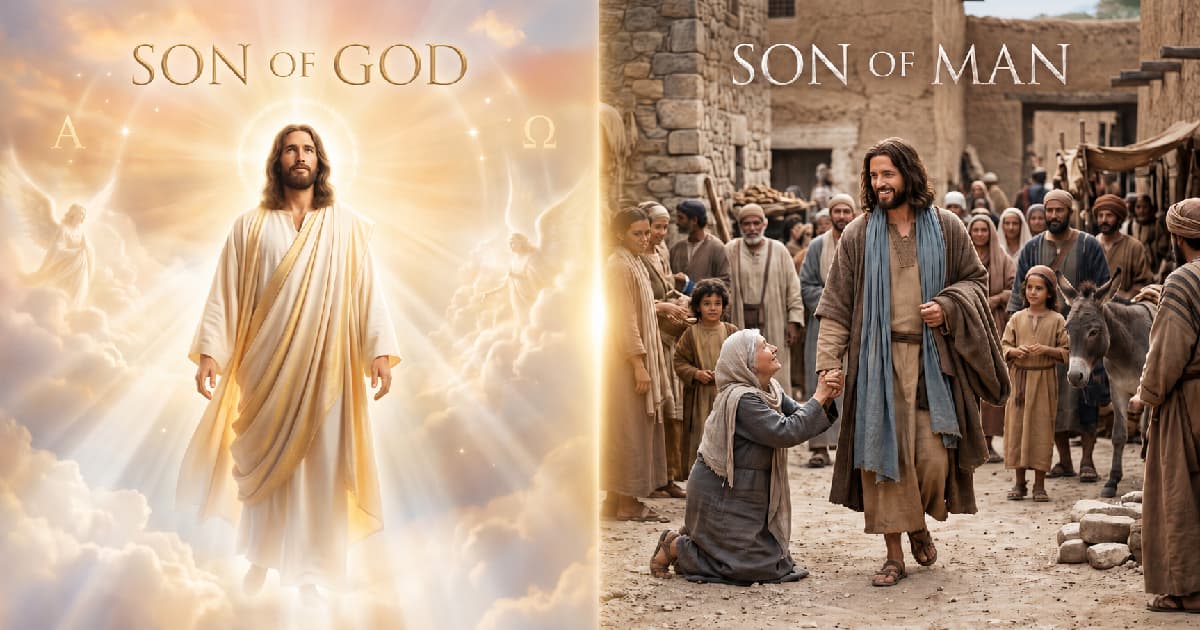
The Dual Nature of Jesus: Why He Is the Only Way to Salvation
The identity of Jesus is the foundation of the Christian faith. As the "Son of God," He reveals the essence and authorit...

One God vs. Many Gods—A Pursuit of Truth
Exploring the essence of faith, from analyzing the limitations of polytheism to recognizing the one true God—the superna...