

"Is There Really a God?" Faith FAQ
I. On the Existence and Proof of God
Q1: Is there really a God, and what is the proof? A: God is not a product of human theory and cannot be fully "proven" by the limited human mind. However, we can know Him in several ways: the vast order of the universe proves the existence of a Creator (as physicist Isaac Newton said, the beautiful system of the universe must come from an intelligent God); the inner longing for eternity and the conscience within us are imprints placed by God; the most direct proof is the revelation of the Bible and Jesus Christ, who personally revealed the Father to us.
Q2: Can you show me God? If you do, I will believe. A: God is the Creator; He is spirit, not matter, and therefore cannot be seen with the physical eye. But this does not mean He does not exist. We cannot see things like air, electricity, or magnetic fields, but we experience their presence through their effects. It is the same with God. He gives life and breath to all, and we can sense Him through His creation and His works.
Q3: If God created humans, who created God? A: God is the self-existent Creator. If God were created, then the one who created Him would be God, leading to an infinite regress. The Bible clearly states that God is the source of truth, unbound by time and space. He is from everlasting to everlasting; He has no beginning and no end.
Q4: Why is Christianity so exclusive? Can't we believe in all religions? Isn't it safer to believe in more? A: This is not about exclusion, but about truth. The Bible reveals that Jesus is the only way to eternal life. Human souls will ultimately face judgment, and this is a warning born of love. Other religions may have wonders, but they cannot solve the problem of human sin, nor can they bring true transformation of life or the promise of eternity.
II. On Suffering and Free Will
Q5: If there is a God, why do people still die after we pray for them? Why do tragedies like 9/11 happen? A: Humans often view disease and death from a short-term perspective. Sometimes, when Christians are freed from worldly pain and taken by the Lord, they are enjoying heaven with God. As for disasters and tragedies, the world is full of sin due to the Fall, which is not God's desire. God gave humanity free will, allowing choices, and tragedies are often the result of humans misusing that freedom. The salvation of Jesus is meant to lead us back to His beautiful creative plan.
Q6: Since God is omnipotent, why didn't He create humans who cannot sin, so the world wouldn't be corrupted? A: God did create humans in His image, with righteousness and holiness. But God did not want to create "robots" to establish a loving relationship; He wanted to give humans free will. Man fell through the misuse of that freedom. To save humanity, God sent His only Son, Jesus, into the world to offer a chance for rebirth through redemption.
III. On Faith Practice and Knowing God
Q7: All religions teach people to be good; why must I believe in Christianity? A: Religions are often established by humans to meet their own needs, turning man into god. However, the true God of Christianity is self-existent and is the Source. Religion cannot solve the core problem of humanity—facing death—but faith in Jesus Christ brings the eternal life that God provides.
Q8: Can God provide me with food? Isn't it better to rely on myself? A: Life is not just about eating. Many who do not lack material wealth still cannot find joy or peace. We must work hard, but "believing in Jesus" brings not only material blessings but also a peace, joy, and eternal hope that exceed money. This is a life of "self-effort plus God's help," which is more valuable than relying on oneself alone.
Q9: How can I know God? I prayed, but I don't feel anything. A: Knowing God is not based on feelings or the five senses; it is through the "spirit" that God gave us. Through reading the Bible, we understand His attributes, and through prayer, we build a real relationship with Him. God is faithful. As long as we have faith and open our hearts to receive Him, He will respond.
Q10: Why can't Christians burn incense? A: Whether to burn incense or not depends on the motive and the object. If it is for worshiping ghosts or other gods, it violates the Ten Commandments. If it is to remember ancestors, true filial piety lies in treating parents with sincerity while they are alive, not through rituals. Christians do not burn incense because they worship Jehovah as the only true God and do not worship idols.
Q11: How is God different from the Jade Emperor? A: Jehovah is the true God who created the universe, and the Bible clearly records His works and attributes. The Jade Emperor is a deity from folk legends and does not possess the omnipotence or eternal nature of the Creator. The true God not only rules the universe but also cares about building a personal connection with our lives.
Q12: Why is this God so selfish? Believe in Him and get eternal life, or don't believe and go to hell? A: God gave His only beloved Son to the world and let Him die to solve the problem of human sin; this is the greatest love and grace. He is not selfish; He loves you and does not want you to perish, so He has prepared salvation for you. Whether one is saved depends on whether one is willing to accept this freely given grace.
文章內廣告
Google AdSense In-Article
Related Posts

The Bible—The Inspired Truth of God
Exploring the nature of the Bible as the inspired truth of God. From its unique structure and authority to the unfolding...
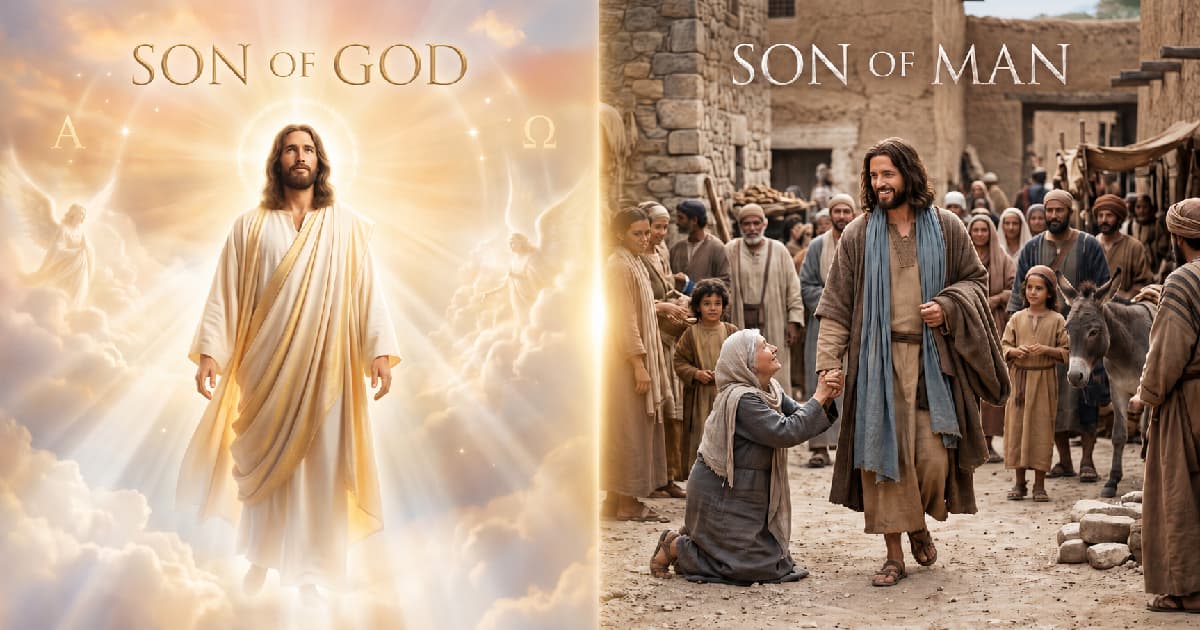
The Dual Nature of Jesus: Why He Is the Only Way to Salvation
The identity of Jesus is the foundation of the Christian faith. As the "Son of God," He reveals the essence and authorit...

One God vs. Many Gods—A Pursuit of Truth
Exploring the essence of faith, from analyzing the limitations of polytheism to recognizing the one true God—the superna...